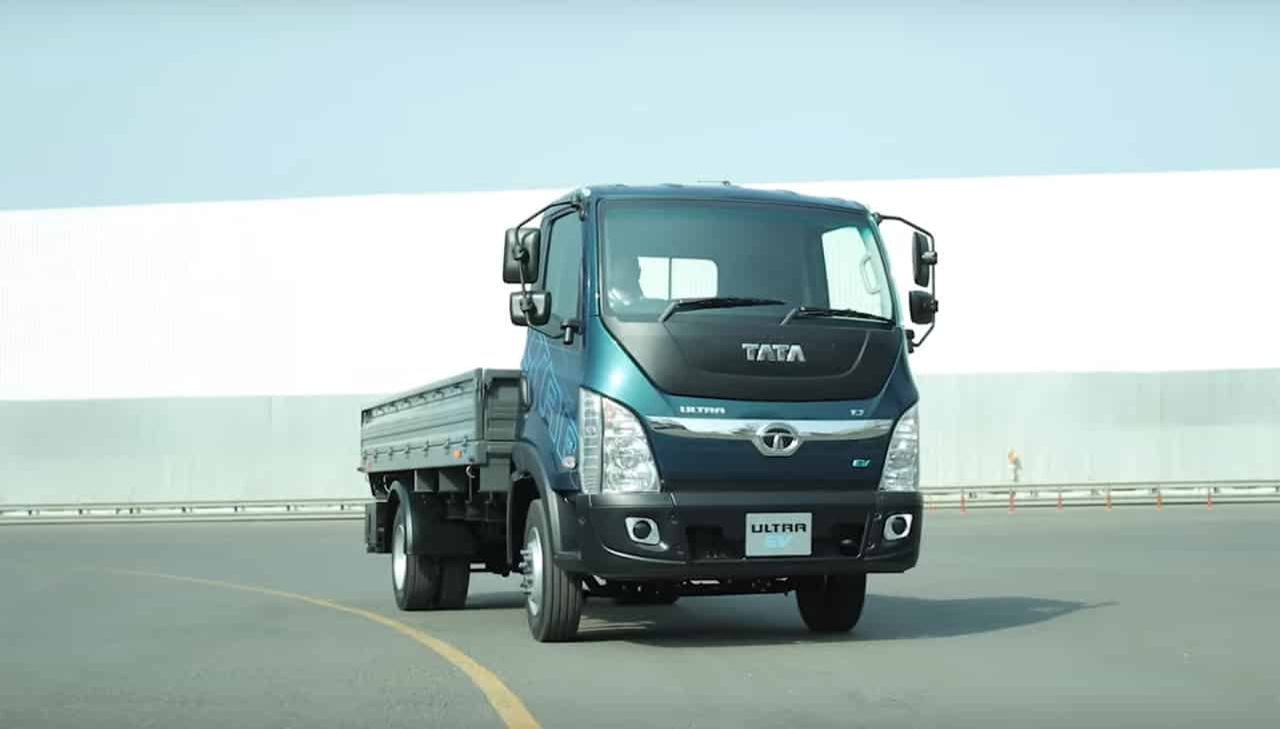


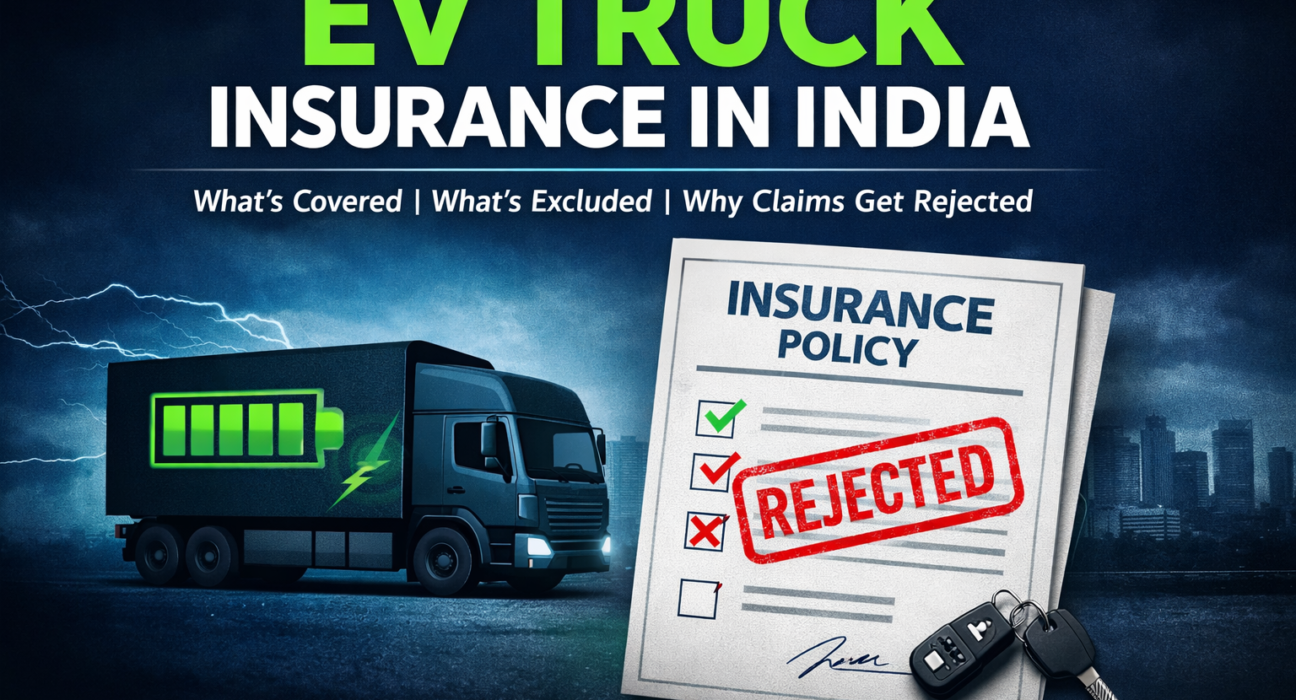
As electric trucks begin entering Indian logistics fleets, one critical area remains poorly understood: insurance. Many fleet operators assume EV truck insurance works exactly like diesel vehicles. In reality, battery coverage, fire risk, charging damage, flooding, and warranty–insurance conflicts make EV insurance fundamentally different.
This article explains:
-
What EV truck insurance actually covers
-
What is typically excluded
-
The most common reasons claims get rejected
-
How fleet owners can avoid costly surprises
Why EV Truck Insurance Is Different From Diesel
Electric trucks are built around high-voltage battery packs, power electronics, and software-controlled drivetrains. These introduce new risk categories that insurers evaluate differently:
-
Battery replacement can cost 30–50% of vehicle value
-
Fire incidents (thermal runaway) raise underwriting risk
-
Charging-related damages are difficult to assign liability
-
Flooding and water ingress severely affect high-voltage systems
-
Limited historical claim data leads to stricter claim scrutiny
As a result, standard commercial vehicle policies often contain exclusions that directly impact EVs.
Types of EV Truck Insurance in India
1️⃣ Third-Party Liability (Mandatory)
Covers:
-
Injury, death, or property damage to third parties
-
Legal liability under Motor Vehicles Act
Does NOT cover:
-
Your vehicle
-
Battery damage
-
Fire or flood losses
2️⃣ Comprehensive Insurance (Recommended)
Covers:
-
Accident damage to your EV truck
-
Fire, explosion, lightning
-
Theft
-
Natural disasters (flood, storm, earthquake)
-
Man-made disasters (riot, vandalism)
However, coverage depends heavily on policy wording and add-ons.
3️⃣ Add-On Covers (Critical for EV Trucks)
| Add-On | Why It Matters |
|---|---|
| Battery Protection Cover | Covers battery replacement in accident, fire, or flood |
| Zero Depreciation | Full claim without parts depreciation |
| Engine & Electrical Protection | Covers motor, inverter, power electronics |
| Return to Invoice (RTI) | Full vehicle value in total loss |
| Roadside Assistance | Towing to charging/repair facilities |
⚠ Without these add-ons, many EV-specific damages remain uninsured.
What Is Typically Covered
✔ Accident Damage
-
Collision with another vehicle
-
Rollover
-
Object impact
-
Chassis, cabin, suspension, drivetrain
✔ Fire & Explosion
-
Fire due to short circuit
-
External fire accidents
-
Explosion from impact
✔ Natural Disasters
-
Floods and waterlogging (subject to inspection)
-
Cyclones, landslides, earthquakes
✔ Theft
-
Complete vehicle theft
-
Battery theft (only if declared and insured separately)
What Is Commonly Excluded
❌ Battery Degradation & Aging
Insurance does not cover:
-
Loss of range over time
-
Capacity reduction
-
Normal battery wear
Battery warranty is handled by the OEM, not insurers.
❌ Manufacturing Defects
If damage is due to:
-
Cell defect
-
BMS failure
-
Design flaw
➡ Insurers redirect claims to the vehicle manufacturer, not the policy.
❌ Charging-Related Damage (Most Disputed Area)
Not covered if:
-
Non-certified charger used
-
Over-voltage or power fluctuation
-
Improper earthing
-
Unauthorized wiring
Public charging stations may also deny liability.
❌ Water Ingress Due to Negligence
Flood damage may be rejected if:
-
Vehicle was driven through deep water deliberately
-
Water levels exceeded OEM guidelines
-
No immediate reporting after submersion
❌ Commercial Misuse & Overloading
-
Payload beyond approved GVW
-
Operating outside permitted category
-
Using the vehicle for hazardous goods without declaration
Why EV Truck Insurance Claims Get Rejected
🚫 1. Battery Damage Without Battery Cover
Many fleet owners buy standard comprehensive policies without adding battery protection.
➡ Result: Battery replacement denied, even after accidents or floods.
🚫 2. Charging from Unauthorized Sources
Damage caused by:
-
Improvised power connections
-
Local generators
-
Uncertified charging equipment
is often classified as improper usage.
🚫 3. Fire Cause “Under Investigation”
If thermal runaway occurs and cause is unclear:
-
Insurer may mark it as manufacturing defect
-
Redirect claim to OEM
➡ Policy does not pay
🚫 4. Flood Damage Declared as Negligence
If vehicle was:
-
Restarted after submersion
-
Driven into deep water
-
Not reported immediately
➡ Claim may be rejected
🚫 5. Undeclared Modifications
-
Retrofitted batteries
-
Aftermarket controllers
-
Software tampering
➡ Considered breach of policy terms
Battery Insurance vs Battery Warranty: The Critical Difference
| Aspect | Insurance | Manufacturer Warranty |
|---|---|---|
| Covers accidents | ✅ | ❌ |
| Covers fire/flood | ✅ (with add-on) | ❌ |
| Covers defects | ❌ | ✅ |
| Covers degradation | ❌ | ❌ |
| Claim authority | Insurer | OEM |
👉 Fleet owners must understand: insurance and warranty do not overlap.
Real-World Claim Scenarios
Case 1: Flooded EV Truck
-
Water entered battery pack
-
No Battery Protection Add-On
➡ Claim rejected (battery excluded)
Case 2: Fire During Charging at Warehouse
-
Used non-certified charger
➡ Claim classified as improper charging
➡ Rejected
Case 3: Collision Damage to Battery Pack
-
Battery add-on included
➡ Claim approved
How Fleet Owners Can Protect Themselves
✔ Choose EV-Specific Insurance Plans
Select insurers offering:
-
Battery add-on
-
Electrical component coverage
-
RTI cover
✔ Always Declare Battery Value Separately
Ensure:
-
Battery serial numbers listed
-
Replacement value declared correctly
✔ Use Only Certified Charging Infrastructure
-
OEM-approved chargers
-
Proper earthing
-
Voltage protection
-
Document charging setup
✔ Train Drivers on Flood & Fire Protocol
-
Never restart submerged vehicle
-
Report immediately
-
Avoid waterlogged routes
✔ Maintain Digital Records
-
Charging logs
-
Service reports
-
Telematics data
These help during claim investigations.
Is EV Truck Insurance More Expensive?
Typically:
-
Premium is 10–20% higher than diesel
-
Battery add-ons increase cost
But: -
Accident severity can be lower
-
Fewer moving parts reduce some risks
👉 Over time, pricing is expected to normalize as claim data improves.
Future of EV Insurance in India
Insurers are actively developing:
-
Usage-based insurance (UBI) using telematics
-
Battery health-linked premiums
-
Fleet-level insurance contracts
-
Charging liability coverage
As EV fleets scale, insurance products will become more customized and transparent.
Frequently Asked Questions (FAQs)
Q1: Is battery damage covered in standard EV insurance?
No. Battery coverage requires a specific add-on.
Q2: Will insurance pay if the battery catches fire?
Only if the cause is accidental and not manufacturing-related, and if battery protection is included.
Q3: Is charging station damage my insurer’s responsibility?
Usually no. Charging infrastructure liability is separate unless covered under special fleet policies.
Q4: Can flood-damaged EV batteries be insured?
Yes, only with battery and electrical protection add-ons and if no negligence is involved.
Q5: Does EV truck insurance cover battery replacement due to low range?
No. Degradation is considered wear and tear.
Final Word
EV truck insurance in India is not plug-and-play like diesel vehicle policies. Battery protection, charging liability, fire investigation, and flood clauses can decide whether your claim is approved or denied.
For fleet operators, the real risk is not just accidents — it’s policy fine print.
📌 Before deploying EV trucks at scale, review your insurance structure as carefully as your vehicle specifications.