

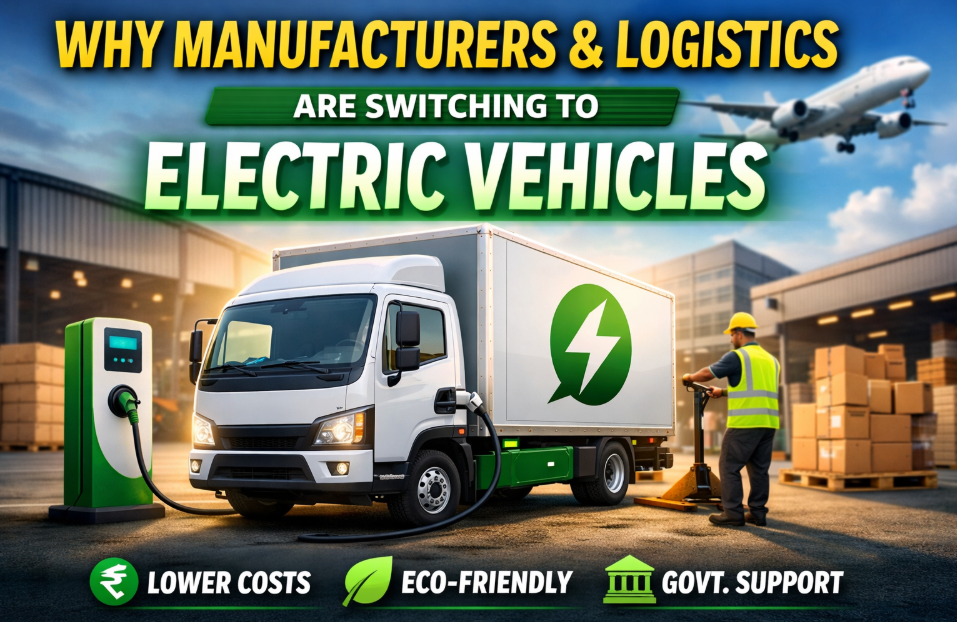
The Silent Transformation in India’s Logistics Sector
India’s logistics and manufacturing ecosystem is undergoing a major transformation, and electric transport vehicles are at the center of this shift. What started as a niche adoption in last-mile delivery has now expanded into a serious business strategy for fleet operators, manufacturers, and large logistics companies. Rising diesel prices, increasing operational costs, and growing pressure to reduce emissions are pushing businesses to rethink their transport models. Electric vehicles (EVs) are no longer seen as experimental—they are now being evaluated as a long-term cost-saving and efficiency-enhancing solution.
This transition is not driven by a single factor. Instead, it is a combination of economics, government policies, operational efficiency, and market demand. Companies are realizing that EVs are not just environmentally friendly, but also financially viable when used in the right applications, especially in urban and semi-urban logistics operations.
Why Businesses Are Moving Towards Electric Transport
1. Lower Operating Cost is the Biggest Advantage
One of the strongest reasons behind the shift to electric transport vehicles is the significant reduction in operating costs. Diesel vehicles come with high fuel expenses, especially for fleets running daily operations. In contrast, electric vehicles operate at a fraction of the cost.
On average, a diesel commercial vehicle costs around ₹7 to ₹10 per kilometer to run, while an electric vehicle typically costs between ₹1 to ₹2 per kilometer depending on electricity rates. Over a month, this difference becomes substantial. For logistics companies operating multiple vehicles daily, the savings can reach tens of thousands of rupees per vehicle.
Additionally, EVs have fewer moving parts, which means lower maintenance costs. There is no need for engine oil changes, clutch replacements, or frequent servicing. This directly improves vehicle uptime and reduces long-term expenses.
2. Government Support and Policy Push
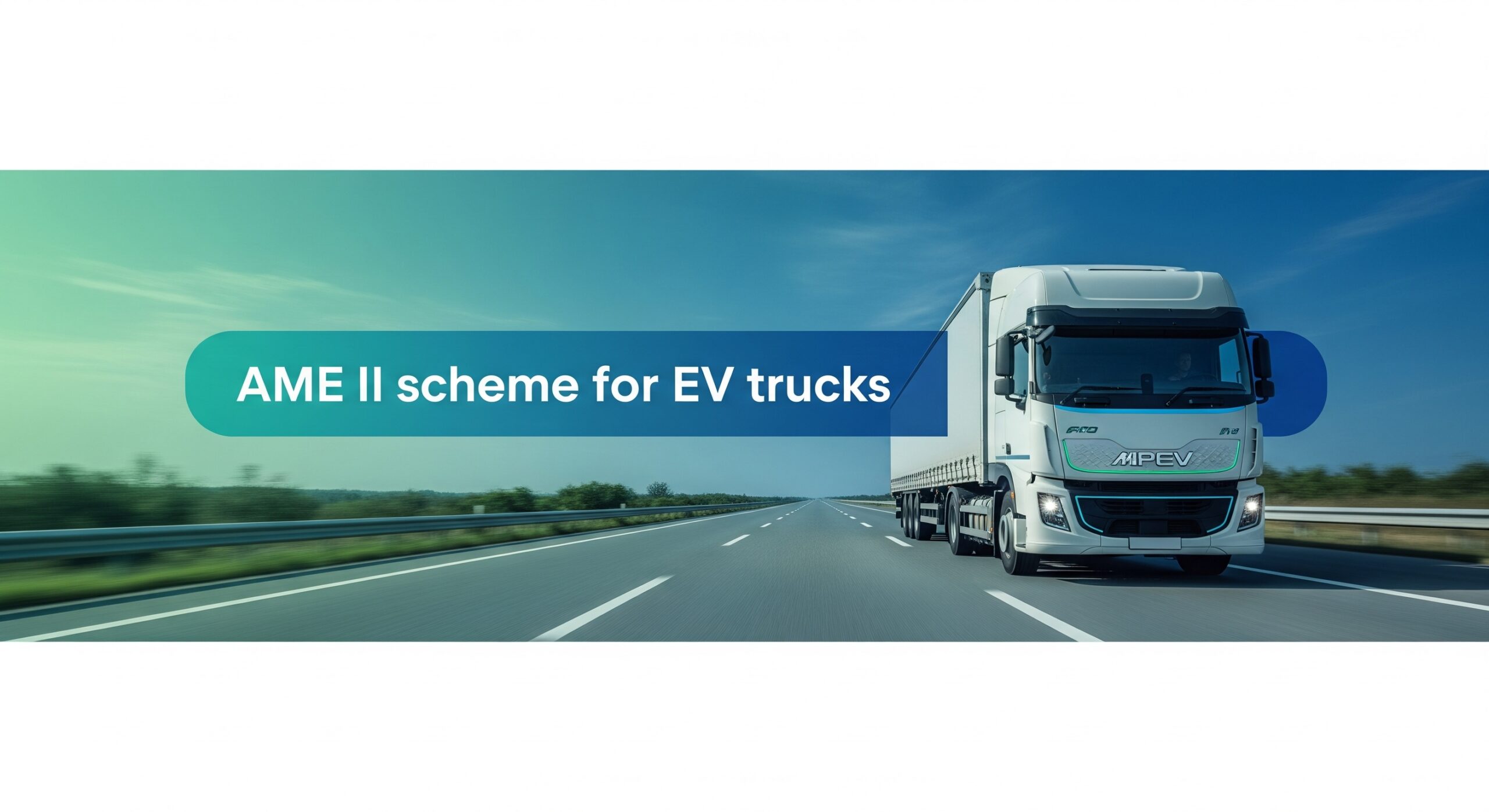
The Indian government has played a crucial role in accelerating EV adoption across the commercial vehicle segment. Various initiatives like FAME-II subsidies, state EV policies, and tax benefits have made electric vehicles more accessible for businesses.
Many states offer incentives such as road tax exemptions, registration fee waivers, and direct subsidies for commercial EV buyers. These benefits significantly reduce the upfront cost of electric vehicles, making them more attractive for fleet operators and manufacturers.
Moreover, the government is actively promoting electrification in public and private transport sectors, which creates a favorable ecosystem for EV adoption.
3. Growth of E-commerce and Urban Delivery Demand
The rapid expansion of e-commerce and quick commerce platforms has reshaped logistics requirements in India. Companies now need efficient, cost-effective, and reliable delivery systems for last-mile operations.
Electric vehicles are perfectly suited for this segment because they perform well in stop-and-go traffic conditions, which are common in urban areas. They are also quieter and produce zero tailpipe emissions, making them ideal for residential deliveries.
As a result, many delivery companies and logistics providers are transitioning their fleets to electric vehicles to handle high-volume, short-distance deliveries more efficiently.
4. Sustainability and ESG Goals
Another major factor driving the shift is the increasing importance of sustainability and ESG (Environmental, Social, and Governance) commitments. Large corporations are under pressure from investors, stakeholders, and global partners to reduce their carbon footprint.
Switching to electric vehicles helps companies align with these goals by reducing greenhouse gas emissions and improving their environmental impact. It also enhances brand image and positions companies as forward-thinking and responsible businesses.
5. Improvements in EV Technology
Earlier concerns around electric vehicles—such as limited range, poor performance, and lack of reliability—are gradually being addressed. Modern electric commercial vehicles now offer improved battery capacity, better range (typically 100–250 km per charge), and faster charging options.
For logistics operations that run on fixed routes, these improvements make EVs highly practical. Companies can plan their operations around charging schedules and ensure consistent performance without disruptions.
Applications of Electric Transport Vehicles
Electric vehicles are now being used across multiple logistics and industrial applications. In last-mile delivery, they are widely used for parcel deliveries, food logistics, and e-commerce shipments. In mid-mile transport, they are being deployed for warehouse-to-hub movement within cities.
Manufacturing units are also adopting EVs for in-plant logistics, where goods need to be transported within factory premises. Additionally, cold chain logistics is emerging as a new segment where electric vehicles are being tested for temperature-sensitive deliveries such as pharmaceuticals and perishable goods.
Advantages of Electric Transport Vehicles
Electric transport vehicles offer several operational, financial, and environmental benefits. From an operational perspective, they provide a smoother driving experience, reduced noise levels, and lower chances of breakdowns. Financially, they help businesses save significantly on fuel and maintenance costs while offering predictable operating expenses.
Environmentally, EVs contribute to cleaner air by eliminating tailpipe emissions and reducing dependence on fossil fuels. This makes them an important tool in tackling urban pollution and climate change.
Challenges and Limitations
Despite the advantages, electric vehicles still face certain challenges. The high upfront cost remains a major barrier for many small fleet operators. Charging infrastructure is another concern, especially in areas where public charging stations are limited.
Range anxiety continues to be an issue for long-distance transport, as most EVs are currently optimized for short to medium routes. Battery degradation over time and the cost of replacement also add to long-term concerns. Additionally, the weight of batteries can impact payload capacity in some cases.
Pros and Cons of Electric Transport Vehicles
Pros:
- Significantly lower running cost
- Reduced maintenance requirements
- Government incentives and subsidies
- Environment-friendly operations
- Ideal for urban and last-mile logistics
Cons:
- Higher initial investment
- Limited charging infrastructure
- Not fully suitable for long-haul transport yet
- Battery replacement cost
- Payload limitations in some models
Real-Life Story: A Logistics Fleet Owner’s Shift to EV
Ravi Sharma, a small fleet owner from Ghaziabad, was running a diesel-based logistics business with 8 light commercial vehicles. His primary operations involved delivering goods within Delhi-NCR, covering around 120–150 km daily per vehicle.
With rising diesel prices, his monthly fuel expenses were becoming unsustainable. In 2023, he decided to experiment by purchasing one electric cargo vehicle for his operations. Initially, there were concerns about range and charging, but since his routes were fixed, he managed charging overnight at his warehouse.
Within the first three months, he noticed a drastic reduction in operating costs. The electric vehicle was costing him almost 70% less per kilometer compared to diesel. Maintenance expenses were also minimal, and the vehicle experienced fewer breakdowns.
Encouraged by the results, Ravi gradually expanded his EV fleet. Today, 5 out of his 8 vehicles are electric, and his monthly savings have improved significantly. According to him, “Switching to EV was not just about saving fuel, it completely changed my business profitability.”
Future Outlook of Electric Logistics in India
The future of electric transport in India looks promising. In the short term, we will see rapid growth in last-mile EV adoption and expansion of charging infrastructure. In the medium term, improvements in battery technology and cost reduction will make EVs more accessible.
In the long term, even heavy commercial vehicles are expected to transition to electric, leading to a fully electrified logistics ecosystem. Companies that adopt early will have a clear competitive advantage in terms of cost efficiency and sustainability.
Conclusion
The shift to electric transport vehicles is no longer optional—it is becoming a strategic necessity for manufacturers and logistics companies. With rising fuel costs, strong government support, and improving EV technology, businesses are finding it increasingly beneficial to transition towards electric mobility.
Electric vehicles offer a combination of cost savings, operational efficiency, and environmental benefits, making them a smart investment for the future. Companies that act early and adopt EVs strategically will be better positioned to succeed in India’s evolving logistics landscape.
FAQs
1. Why are logistics companies switching to electric vehicles?
Logistics companies are switching to EVs mainly due to lower operating costs, government incentives, and increasing demand for sustainable transportation solutions.
2. Are electric transport vehicles cheaper than diesel vehicles?
While EVs have a higher upfront cost, they are significantly cheaper in terms of running and maintenance costs over time.
3. What is the biggest challenge in EV adoption?
The biggest challenges include high initial cost, limited charging infrastructure, and range limitations for long-distance transport.
4. Which segment is leading EV adoption in India?
Last-mile delivery and intra-city logistics are currently leading EV adoption in India.
5. Can EVs replace diesel trucks completely?
Not yet, especially for long-haul transport, but with advancements in battery technology, this is expected in the future.