

Introduction: Profit Has Become the Core Decision Factor
India’s logistics and warehousing ecosystem is expanding at an unprecedented pace, driven by e-commerce growth, industrial expansion, and supply chain optimization. At the center of this transformation is the mini truck segment, which handles daily movement inside factories, warehouses, and last-mile delivery networks.
However, the buying mindset has evolved significantly. Earlier, operators focused on low purchase cost and brand reputation. In 2026, the focus has shifted toward a more practical question:
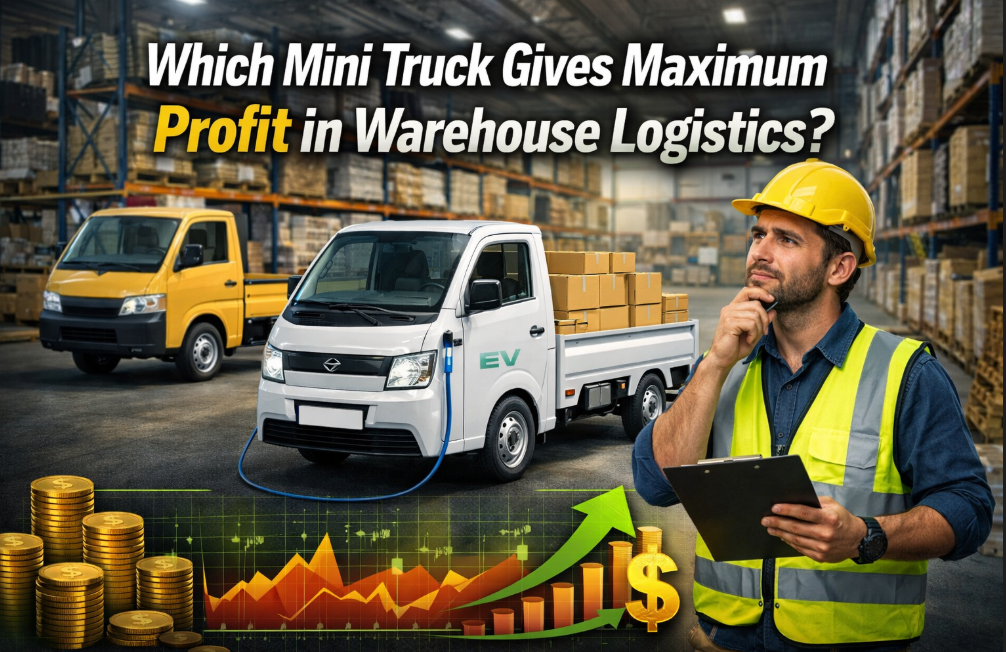
Which mini truck generates maximum profit in real-world warehouse operations?
Profitability is now the defining metric — and choosing the wrong vehicle can directly impact monthly earnings.
What Defines Profit in Warehouse Logistics?
Warehouse logistics is very different from highway trucking. Vehicles operate in:
- Short distances (5–50 km per trip)
- High frequency (multiple trips daily)
- Stop-and-go environments
This means profitability depends on:
1. Running Cost (₹/km)
Fuel, CNG, or electricity cost directly affects margins.
2. Payload Efficiency
Higher load = fewer trips = more profit.
3. Maintenance Cost
Frequent repairs reduce uptime and income.
4. Utilization
More trips per day = higher revenue.
5. Downtime
Breakdowns or charging delays reduce earning capacity.
Top Mini Trucks in India for Warehouse Profit
1. Tata Ace Gold – The Industry Standard
The Tata Ace Gold from Tata Motors is the most widely used mini truck in India’s warehouse ecosystem.
Specifications:
- Price: ₹4.5 – ₹6.7 lakh
- Payload: 750–900 kg
- Engine: ~700 cc
- Fuel: Diesel / Petrol / CNG
Use Case:
- Factory internal movement
- Warehouse loading
- FMCG logistics
Profit Analysis:
Tata Ace offers a strong balance between load and durability. Its higher payload allows fewer trips, which improves operational efficiency.
Benefits:
- High resale value
- Strong nationwide service network
- Reliable for continuous operations
Pros:
- Handles heavy loads
- Proven track record
- Suitable for multi-shift operations
Cons:
- Higher fuel cost (diesel)
- Slightly higher upfront cost
2. Mahindra Jeeto – Maximum Profit Margin Vehicle
The Mahindra Jeeto by Mahindra & Mahindra is known for its low running cost and high ROI.
Specifications:
- Price: ₹4.4 – ₹5.5 lakh
- Payload: 600–715 kg
- Mileage: Up to ~21 km/l
Use Case:
- Light warehouse movement
- Short-distance logistics
- Small business operations
Profit Analysis:
Jeeto delivers the highest margin per km due to its excellent mileage and low cost.
Benefits:
- Lowest cost per km
- Quick ROI
- Ideal for small fleet owners
Pros:
- Highly fuel efficient
- Affordable purchase price
- Easy maintenance
Cons:
- Lower payload
- Not ideal for heavy-duty usage
3. Maruti Super Carry – Urban Logistics Performer
The Maruti Super Carry from Maruti Suzuki is popular in city-based warehouse networks.
Specifications:
- Price: ₹5.0 – ₹6.1 lakh
- Payload: ~740 kg
- Fuel: Petrol / CNG
Use Case:
- Urban warehouse delivery
- Retail distribution
Profit Analysis:
CNG variant reduces fuel cost, making it profitable for predictable urban routes.
Pros:
- Smooth driving
- Low downtime
- Strong service network
Cons:
- Limited heavy-load capability
4. Piaggio Ape Xtra – Low Investment Option
The Piaggio Ape Xtra from Piaggio Vehicles is widely used for last-mile and intra-warehouse movement.
Specifications:
- Price: ₹3.5 – ₹4.5 lakh
- Fuel: Diesel / CNG
Profit Analysis:
Low purchase cost = faster break-even.
Pros:
- Highly maneuverable
- Low investment
- Ideal for tight spaces
Cons:
- Limited load capacity
5. Bajaj Maxima Cargo – Entry-Level Profit Vehicle
The Bajaj Maxima Cargo from Bajaj Auto is suitable for low-budget operations.
Profit Insight:
Best for operators starting with minimal investment.
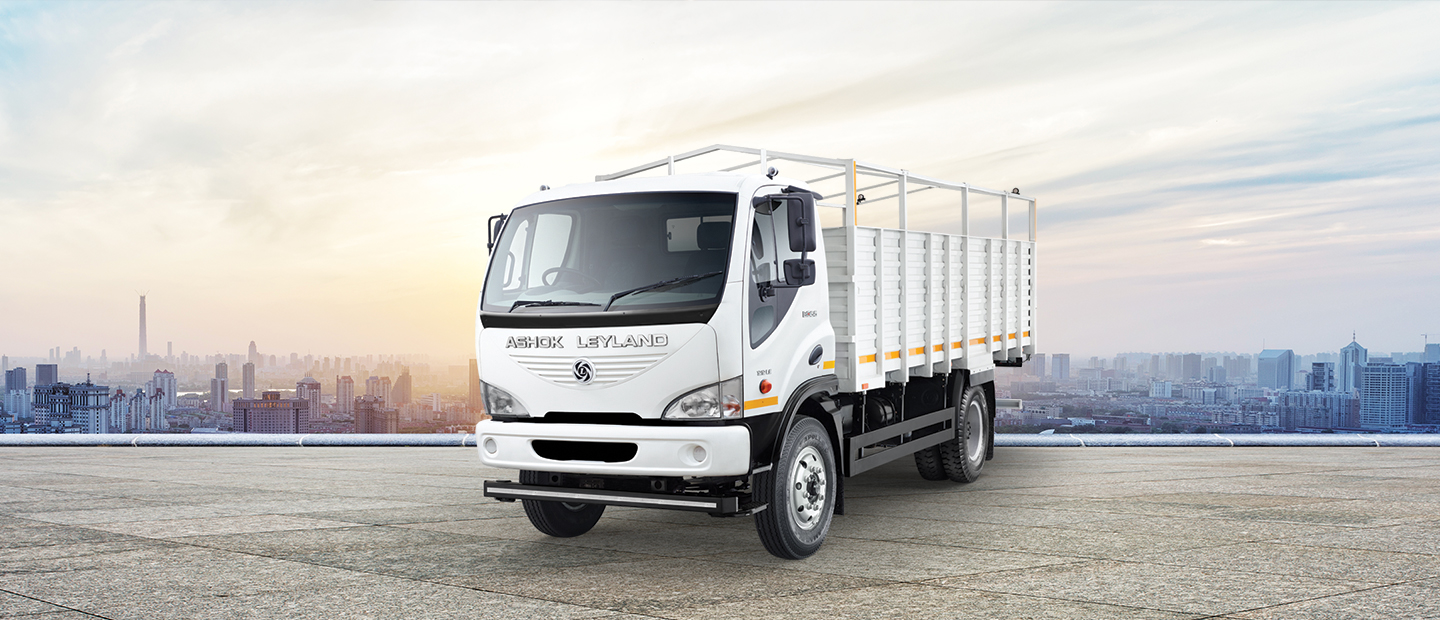
6. Ashok Leyland Dost – High Payload Advantage
The Ashok Leyland Dost from Ashok Leyland offers higher payload capacity.
Specifications:
- Payload: 1.2–1.5 ton
- Price: ₹7–8 lakh
Profit Insight:
Higher payload reduces trips → increases earnings.
7. Electric Segment – Future Profit Model
Tata Ace EV
Omega Seiki Rage+
The Omega Seiki Rage Plus from Omega Seiki Mobility is gaining traction.
Profit Analysis:
- Zero fuel cost
- Lower running expenses
- Ideal for fixed routes
Cons:
- High upfront cost
- Charging dependency
Profit Comparison Summary
- Highest Profit Margin: Mahindra Jeeto
- Best Heavy Duty: Tata Ace
- Best City Use: Super Carry
- Lowest Investment: Piaggio / Bajaj
- Highest Capacity: Ashok Leyland Dost
- Future Profit: EV models
Subsidy & Government Benefits
Electric mini trucks are eligible under state EV policies:
- Purchase subsidy
- Road tax exemption
- Registration benefits
Note: Benefits vary by state.
How to Buy a Mini Truck
Step-by-step process:
- Identify use case (warehouse / city / heavy load)
- Compare cost per km
- Visit dealership for test drive
- Check EMI & financing
- Apply for subsidy (EV only)
Official Website & Brochure Links
- Tata Motors: https://smalltrucks.tatamotors.com
- Mahindra: https://www.mahindratruckandbus.com
- Maruti: https://www.marutisuzukicommercial.com
- Piaggio: https://www.piaggio-cv.co.in
- Ashok Leyland: https://www.ashokleyland.com
EVTruckIndia Analysis
The mini truck market is moving toward a profit-first approach, where:
- EV adoption is increasing
- CNG is gaining popularity
- Diesel remains dominant for heavy-duty
The future of warehouse logistics will depend on cost optimization and vehicle efficiency.
Conclusion
There is no single best mini truck. The most profitable vehicle depends on your operation:
- Small business → Jeeto / Bajaj
- Warehouse heavy → Tata Ace / Dost
- Urban → Super Carry
- Future → EV
Profit comes from the right vehicle for the right job.
FAQs
Q1. Which mini truck gives maximum profit?
Mahindra Jeeto due to low running cost.
Q2. Which is best for warehouse logistics?
Tata Ace for heavy operations.
Q3. Are EV mini trucks profitable?
Yes, for fixed routes with high usage.
Q4. Which is cheapest option?
Piaggio and Bajaj cargo vehicles.
Q5. Is subsidy available?
Yes, mainly for EVs under state policies.