

Electric Shift Gains Momentum in India’s Logistics Sector
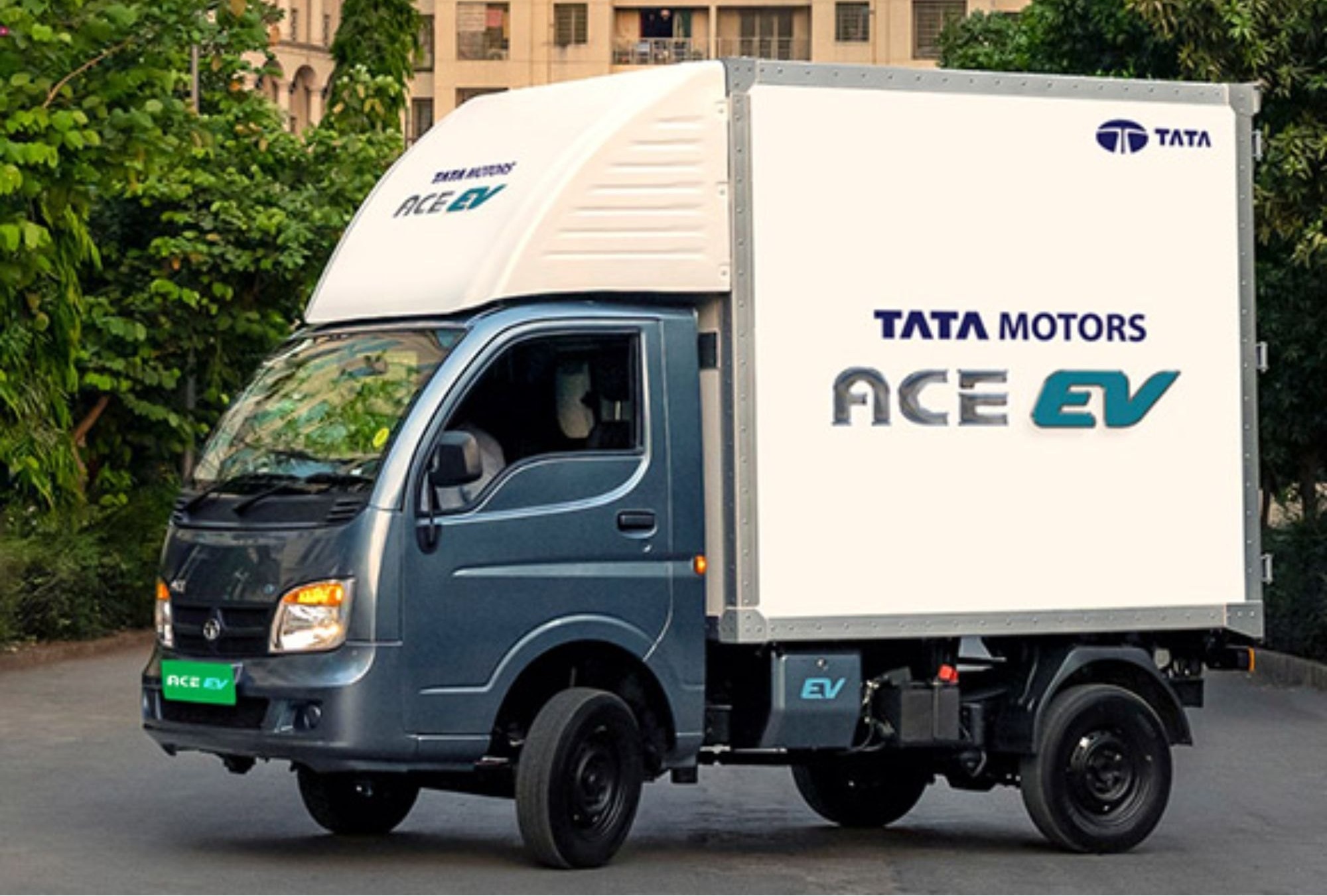
India’s logistics and warehousing sector is undergoing a rapid transformation, driven by rising fuel costs, sustainability targets, and the explosive growth of e-commerce. In this evolving landscape, the Tata Ace EV is emerging as a preferred solution for fleet operators, warehouse managers, and urban delivery businesses.
Once dominated by diesel-powered mini trucks, the last-mile delivery segment is now witnessing a decisive shift toward electric vehicles (EVs). The Tata Ace EV, backed by Tata Motors’ extensive service network and reliability, is at the center of this transition.
Built for Urban Logistics: Compact Yet Capable
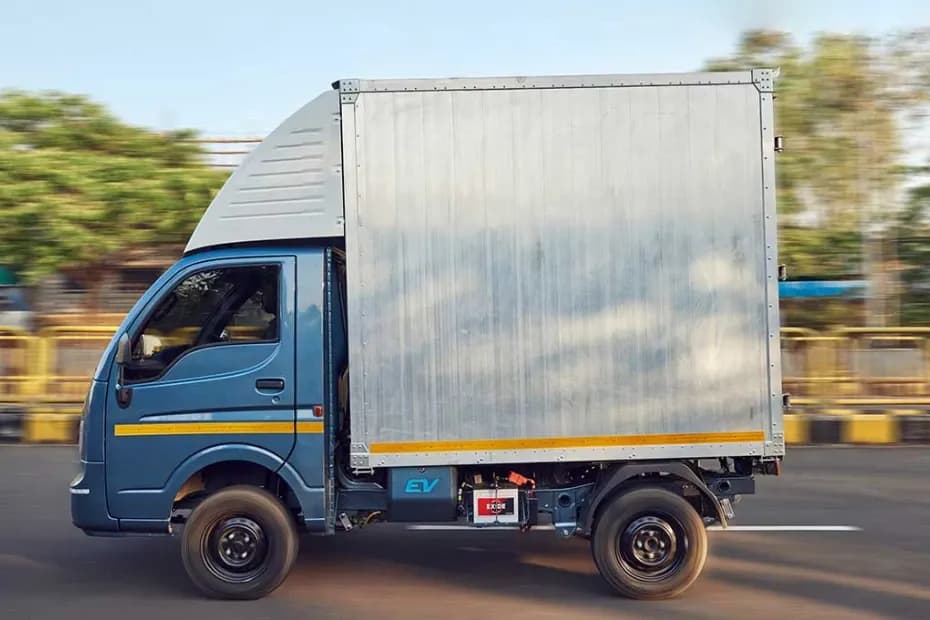
The Tata Ace EV has been designed keeping India’s dense urban logistics ecosystem in mind. Its compact size allows easy navigation through congested city roads, narrow warehouse lanes, and last-mile delivery points.
Despite its small footprint, the vehicle offers:
- Payload capacity suitable for e-commerce and FMCG deliveries
- Optimized cargo deck for warehouse operations
- Strong chassis adapted from the proven Ace platform
This balance between size and utility makes it highly suitable for intra-city logistics.
Lower Operating Cost Driving Fleet Adoption
One of the most significant factors behind the growing popularity of the Tata Ace EV is its low total cost of ownership (TCO).
Fleet operators are increasingly shifting due to:
- Reduced fuel expenses compared to diesel vehicles
- Lower maintenance due to fewer moving parts
- Government incentives and EV subsidies
Over time, these savings significantly improve profitability, especially for high-usage vehicles in last-mile delivery.
Range and Performance: Solving Real Business Needs
Range anxiety has historically been a concern for EV adoption. However, the Tata Ace EV addresses this with a practical range suited for daily logistics operations.
- Real-world range suitable for city delivery cycles
- Fast charging capability for minimal downtime
- Reliable battery performance under load conditions
For warehouse-linked logistics, where routes are predictable and repetitive, this range is more than sufficient, making EV adoption operationally viable.
Growing Adoption by E-commerce and Fleet Operators
Major e-commerce and logistics companies are actively integrating Tata Ace EV into their fleets. Businesses with sustainability goals are prioritizing electric vehicles to reduce carbon emissions and align with ESG commitments.
Key adoption drivers include:
- Predictable delivery routes
- High daily utilization
- Centralized warehouse-based charging
This trend is further strengthening the Tata Ace EV’s position in the market.
Strong After-Sales Support and Ecosystem Advantage
A critical advantage of Tata Motors is its pan-India service network, which plays a crucial role in fleet decision-making.
Operators benefit from:
- Easy access to service centers
- Availability of spare parts
- Fleet management support solutions
Additionally, Tata’s growing EV ecosystem, including charging infrastructure partnerships, adds confidence for businesses transitioning to electric mobility.
Government Push Accelerating EV Logistics Adoption
India’s policy environment is increasingly favorable for electric commercial vehicles. Initiatives such as:
- State-level EV policies
- Subsidies under schemes like FAME
- Urban emission regulations
are encouraging businesses to adopt EVs for logistics operations.
The Tata Ace EV, being locally manufactured and competitively priced, fits well within these policy frameworks.
EVTruckIndia Analysis: A Practical Business Decision, Not Just a Trend
The rise of the Tata Ace EV is not merely a technological shift—it reflects a deeper economic and operational transformation in India’s logistics sector.
For fleet owners, the decision is now driven by:
- Cost efficiency
- Operational predictability
- Regulatory readiness
Rather than being an experimental choice, the Tata Ace EV is increasingly becoming a default option for last-mile logistics and warehouse-linked transportation.
Conclusion: From Diesel Legacy to Electric Future
As India’s logistics ecosystem continues to expand, the demand for efficient, cost-effective, and sustainable transport solutions will only increase.
The Tata Ace EV stands at the intersection of these needs—offering a practical, scalable, and future-ready solution for warehouse and last-mile logistics.
With strong OEM backing, growing fleet adoption, and supportive government policies, the Tata Ace EV is well-positioned to lead India’s electric logistics revolution.
FAQs: Tata Ace EV in Logistics
Q1. What is the range of Tata Ace EV?
The Tata Ace EV offers a practical driving range suitable for daily city logistics operations, typically covering last-mile delivery routes efficiently.
Q2. Is Tata Ace EV profitable for fleet operators?
Yes, due to lower running and maintenance costs, it significantly reduces total ownership cost over time.
Q3. Which industries benefit most from Tata Ace EV?
E-commerce, FMCG distribution, warehouse logistics, and courier services benefit the most.
Q4. Is charging infrastructure a challenge?
For warehouse-based fleets with fixed routes, charging can be easily managed through depot charging setups.