


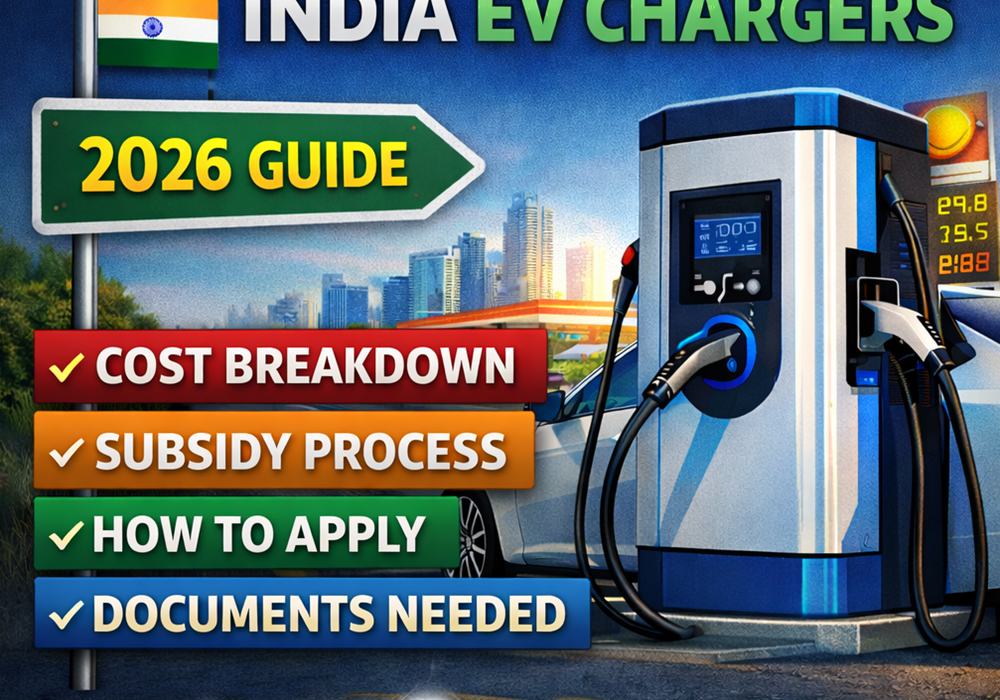
When people search “EV charger companies in India”, Delta Electronics India consistently comes up because they offer a wide portfolio of AC (7–22 kW) and DC fast chargers (25 kW to 200 kW and beyond), plus backend integration features like OCPP support on several products. (Delta Electronics India)
This article is written for:
* Landowners and commercial property owners
* Fleet operators (cars, 3W cargo, mini trucks)
* EV charging station developers (CPOs)
* Anyone comparing charger brands before investing
Who is Delta Electronics India (in EV charging)?
Delta Electronics India is part of Delta’s global power and energy solutions ecosystem and is active in electric mobility solutions including EV charging products. Delta has also expanded manufacturing capacity in India (Krishnagiri, Tamil Nadu) and publicly links the site to solutions for electric mobility.
Delta EV Charger Product Range (India)
A) AC Chargers (7–22 kW)
Best for: offices, hotels, societies, long parking duration, depot overnight charging.
Delta lists AC chargers in the 7–22 kW category as part of its portfolio.
B) DC Fast Chargers (public + fleet)
Delta’s India portfolio includes DC chargers across multiple power bands (examples below):
1) 15 kW Bharat DC (Bharat DC001)
Delta positions a 15 kW Bharat DC001 charger as per MoP guidelines (Bharat standard context).
2) 25 kW DC Wallbox (CCS2)
Delta’s DC Wallbox page lists CCS2, up to 25 kW, RFID, and connectivity options.
3) DC fast chargers up to 240 kW (and higher models listed)
Delta India’s EV charging pages show DC fast charging products including 240 kW and also a 360 kW product listing.
Where Delta chargers make the most sense (use-cases)
Best-fit locations
- Highway charging hubs (DC fast)
- City fast charging points (DC)
- Commercial parking (AC)
- Warehouses + factory depots (AC + one DC for quick top-ups)
- Fleet yards (predictable daily charging)
Best-fit vehicle categories
- Passenger EV fleets (taxis, corporate fleets)
- 3W cargo fleets (with the right standard/voltage fit)
- Light commercial EVs and mini trucks (depot model)
Cost Breakdown (Realistic) — Delta EV Charger Setup in India
Important truth first:
Total cost = Charger hardware + electrical infrastructure + civil work + software/backend + approvals + O&M
Government guidelines focus heavily on safe installation, standards, and minimum requirements for public charging. (Ministry of Power)
Below are practical, conservative ranges used by most installers in India.
Option 1: AC Charging Setup (7–22 kW) — Commercial / Depot
Typical setup: 2 to 10 AC chargers
Cost buckets
- AC chargers (hardware): varies by model and rating (7–22 kW)
- Electrical work (DB, cabling, earthing, protections): medium
- Load upgrade (if required): site-dependent
- Civil + signage: low to medium
- Backend (optional for private depots): optional / basic
Typical total project range (small to mid):
✅ ₹3 lakh to ₹15 lakh (depends mainly on count and power upgrade)
Option 2: 25 kW DC Wallbox (CCS2) — Fleet fast top-up
Best for: fleet yards, small public sites, commercial hubs.
Delta’s 25 kW DC Wallbox lists CCS2 and network features.
Cost buckets
- DC charger hardware (25 kW): moderate
- Electrical + protections: medium
- Civil + commissioning: medium
- Backend integration: optional/depends
Typical total project range:
✅ ₹6 lakh to ₹18 lakh (site dependent)
Option 3: 60 kW to 240 kW DC Fast Charging Station — Public / Highway
Delta lists DC fast products up to 240 kW, and also higher product listings.
Cost buckets
- DC charger hardware: high
- Transformer/HT connection + panels: high
- Civil foundation + safety: medium to high
- Networking + backend integration: medium
- Approvals + commissioning: medium
Typical total project range
- ✅ 60 kW: ₹25 lakh to ₹55 lakh
- ✅ 120 kW: ₹35 lakh to ₹85 lakh
- ✅ 240 kW: ₹55 lakh to ₹1.5 crore
(These ranges change heavily by HT connection needs and site readiness.)
Optional: Indicative “hardware-only” price references
Some Indian marketplaces list example prices for specific Delta DC models (as a reference point only, not official pricing). Example listings include a “Delta Bharat 30 kW DC EV charger” with a displayed price. Treat these as indicative and always take official quotes from OEM/authorized partners. (1C EV Charging)
How to Apply / Buy Delta EV Chargers in India (Step-by-step)
Delta is primarily a charger OEM, so “applying” means: getting a quote, selecting the model, and doing compliant installation.
Step 1: Decide your use-case
- Public station (DC fast)
- Fleet depot (AC + maybe one DC)
- Commercial property (AC)
Step 2: Shortlist charger type
- AC 7–22 kW for long parking
- DC 25 kW wallbox for fleet fast top-ups
- DC 60/120/240 kW for public/highway
Step 3: Site power feasibility
- Existing sanctioned load
- Need for load enhancement / HT connection
- Earthing and safety compliance
(MoP consolidated guidelines and standards are the best baseline for public charging planning.) (Ministry of Power)
Step 4: Request quote + deployment plan
- Contact Delta India via product pages/contact route
- Ask for: hardware specs, warranty, commissioning scope, backend support, spare parts lead time
(Delta provides product pages and “contact us” pathways for EV charging products.) (Delta Electronics India)
Step 5: Installation & commissioning
Use experienced electrical contractors and follow national/state safety standards.
Subsidy & Government Support (Reality, no hype)
1) EV charging is allowed (unlicensed activity)
Policy documents and guidelines from the power ecosystem establish how charging infrastructure is to be installed/operated, and public charging is treated as a service activity under these guidelines (no “special license” is the common framework, but compliance is mandatory). (Ministry of Power)
2) PM E-DRIVE support exists for public charging
The PM E-DRIVE operational guidelines for EV public charging stations mention ₹2,000 crore support for public charging infrastructure and define eligible entities and implementation structure. (pmedrive.heavyindustries.gov.in)
Important: This does not mean every individual automatically gets cash back.
Support is routed via eligible entities, implementing agencies, and approved deployment models as per guidelines. (pmedrive.heavyindustries.gov.in)
3) State-level incentives vary
Many states and utilities offer additional incentives (rebates, VGF, charger subsidies), but they are state-specific and change over time. Always verify your state’s latest EV policy before planning capex.
Documents Required (Typical)
Exact requirements vary by state/DISCOM, but these are commonly asked for public/commercial installations:
⭐ Applicant identity and business documents
- PAN, GST (if applicable), company registration (if company)
⭐ Site documents
- Ownership proof or lease agreement
- Site photographs + layout plan
- NOC from property owner (if leased)
⭐ Power and technical
- Latest electricity bill
- Load sanction details / application for load enhancement
- Electrical single-line diagram (SLD) from contractor
- Earthing and safety compliance documents (as required)
For public charging, follow national guidelines and standards and local DISCOM procedures. (Ministry of Power)
FAQs (Delta Electronics India EV Chargers)
Q1. Are Delta chargers suitable for public charging stations?
Yes, Delta lists DC fast chargers for public/commercial use and OCPP-compatible products for backend integration.
Q2. Which Delta charger is best for a small fleet depot?
Most depots start with AC chargers (7–22 kW) for overnight charging, and add one DC unit (25 kW or similar) if fast turnaround is needed. Delta’s portfolio covers both categories.
Q3. Do Delta chargers support CCS2?
Delta’s DC Wallbox page explicitly mentions CCS2.
Q4. Do I get government subsidy if I buy Delta chargers?
Subsidy eligibility depends on your project type, location, and the implementing/eligible entity route (especially under PM E-DRIVE for public charging). It’s not automatic cash reimbursement for every buyer.
Q5. What’s the biggest cost people underestimate?
Most people underestimate HT connection/transformer upgrades, trenching/cabling, and ongoing uptime maintenance—often larger than expected for DC fast charging sites. This is why guidelines stress proper standards and infrastructure planning.
Q6. Does Delta have India manufacturing capability linked to mobility solutions?
Delta has publicly discussed expansion at its Krishnagiri site and links the facility to solutions for electric mobility.
EV Charging Station Business in India: Why 2025 Is the Turning Point - EV Truck India
December 26, 2025[…] Delta Electronics India EV Chargers: Cost, Models, Setup… […]