

Best for warehouses, factories, logistics hubs & in-plant operations
Renting vs Buying Electric Mini Truck for Loading & Unloading (2025 Guide)
Electric mini trucks are becoming essential equipment for warehouses, factories, cold storage units, manufacturing plants, logistics hubs, and material handling operations.
They are replacing diesel/CNG vehicles for internal movement because of:
- Zero emissions
- Lower cost-per-km
- Smooth torque for material lifting
- Easy maneuvering in tight factory lanes
- Very low maintenance
But a common decision every industrial buyer faces is:
Should we RENT an Electric Mini Truck or should we BUY one?
This guide breaks down every important factor — cost, operational hours, utilisation, maintenance, ROI, charging, downtime, and ideal use cases — so you can make the right choice.
Renting vs Buying — Quick Comparison Table for 2025
| Factor | Renting | Buying |
|---|---|---|
| Upfront Investment | Very low (₹0–₹20,000 security) | High (₹9.5–₹14 lakh) |
| Monthly Cost | ₹18,000 – ₹45,000 (depending on model & usage) | EMI + maintenance + charging |
| Maintenance | Included by rental provider | Your responsibility |
| Ideal For | Short-term, pilot projects, seasonal demand | Daily operations, long-term usage |
| Flexibility | Very high; upgrade anytime | Limited once purchased |
| Tax Benefits | Operational expense (OPEX) | Depreciation benefits |
| Downtime Risk | Replacement vehicle provided | Downtime affects operations |
| Charging | Often provided by rental fleet | Need to install your own charger |
What an Electric Mini Truck Typically Costs in India (2025)
Purchase Price (Approx.)
| Model | Approx On-road Price |
|---|---|
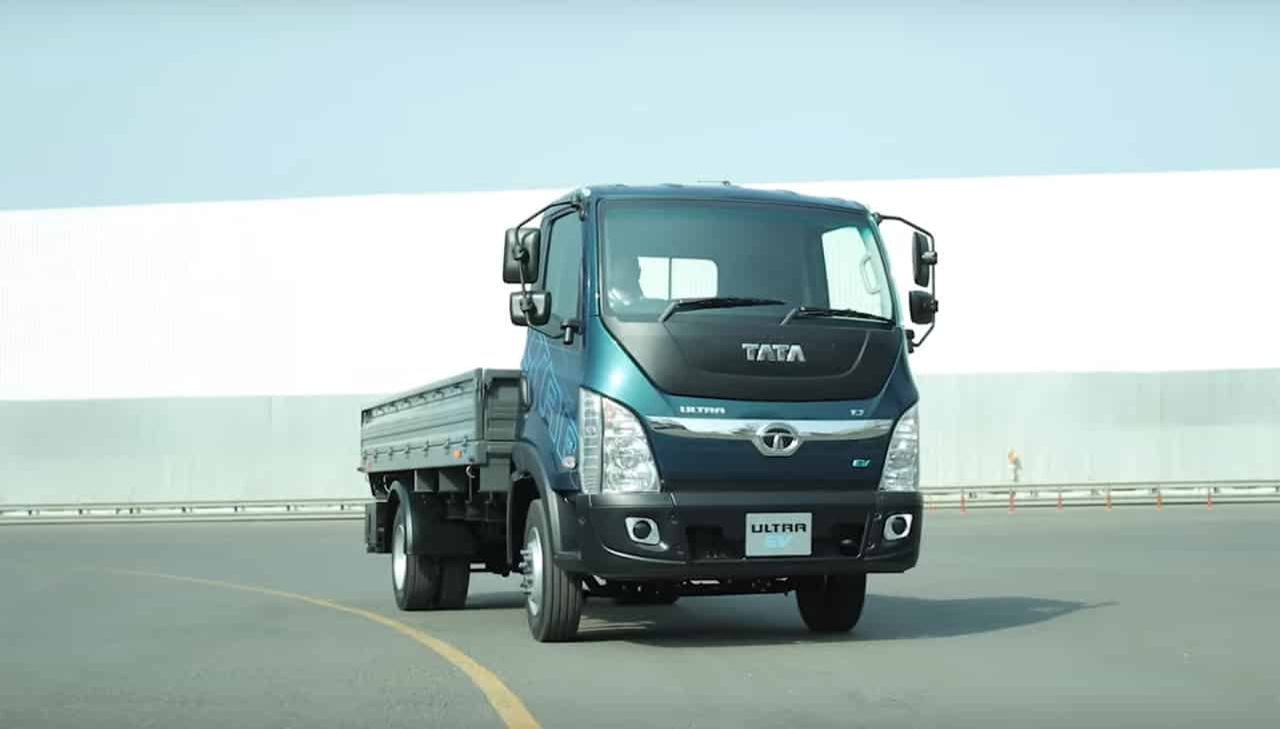
| Tata Ace EV | ₹9.2 – ₹10.5 lakh |
| Euler HiLoad EV | ₹4 – ₹4.5 lakh (3W segment) |
| Altigreen NeEV | ₹4.5 – ₹5.8 lakh |
| Piaggio Ape Electrik FX | ₹3.8 – ₹4.3 lakh |
| Mahindra eSupro Cargo (if available) | ₹8.5 – ₹9 lakh |
Rental Price (Approx.)
| Type | Monthly Rent |
|---|---|
| Electric 3W Loader (45–100 km/day) | ₹18,000 – ₹30,000 |
| Electric 4W Mini Truck (Tata Ace EV class) | ₹35,000 – ₹45,000 |
| With Driver | +₹12,000 – ₹18,000 |
When Renting an Electric Mini Truck is the Better Option
1. For Short-Term or Seasonal Work
If your loading/unloading volume changes often, renting avoids unnecessary CapEx.
Ideal for:
- Seasonal logistics
- Temporary contracts
- Construction sites
- New project commissioning
2. For Pilot Projects Before Large EV Adoption
Companies shifting from diesel/CNG to EVs often test the vehicle inside the plant for 2–3 months.
Renting helps evaluate:
- Battery range
- Charging frequency
- Vehicle performance with material load
- Driver comfort
- Floor movement patterns
3. Zero Maintenance Cost
Rental providers handle:
- Service
- Spare parts
- Battery replacement
- Vehicle breakdown support
This is beneficial if you lack an in-house maintenance team.
4. Replacement in Case of Downtime
If the electric truck stops working, rental companies usually replace it within 24–48 hours, ensuring your factory operations do not stop.
5. No Charging Infrastructure Needed
Many rental contracts include:
- Portable charger
- Smart charger
- On-site charging support
This saves ₹75,000 – ₹1,50,000 on charger installation.
When Buying an Electric Mini Truck is the Better Option
1. For High Daily Utilisation (100–150 km/day)
If your vehicle runs multiple shifts daily, owning is cheaper than renting within 12–18 months.
Buying is recommended for:
- Manufacturing plants
- FMCG warehouses
- Cold chain hubs
- Large logistics parks
- In-plant shuttle operations
2. Lower Cost Per Km
Owning offers:
- Electricity cost: ₹1.1 – ₹1.5/km
- Very low maintenance cost
- No monthly rent
Long-term savings grow significantly.
3. Asset Depreciation & Tax Benefits
Electric vehicles qualify for:
- 40% depreciation (varies per financial year)
- Additional incentives depending on state policy
You can reduce your taxable income.
4. Charger Ownership = Full Control
If you install a fast charger at your plant, your loading/unloading operations become far more efficient.
Charging time example:
- Tata Ace EV: 105 minutes (fast charge)
- Euler/Altigreen/Piaggio: 2–4 hours (depending on model)
5. Long-Term Contracts Demand Ownership
If you have:
- 3–5 year industrial loading/unloading contracts
- Dedicated shift-based movement
- Daily inbound/outbound material transfers
Then buying ensures better ROI.
Cost Comparison — Renting vs Buying (5-Year Analysis)
Assuming electric 4W mini truck (Tata Ace EV class):
| Cost Component | Renting (Per Year) | Buying (Per Year) |
|---|---|---|
| Vehicle Cost | ₹4.2 lakh (₹35k/month) | EMI ~₹1.8 lakh |
| Maintenance | Included | ₹15,000 |
| Charging | Included/Your electricity | ₹25,000 |
| Downtime | Zero (replacement) | Can cause delays |
| Total 5-Year Cost | ₹21 lakh | ₹11–13 lakh |
Conclusion:
- Renting is double the cost in the long run
- Buying has much lower lifetime cost
- Renting is useful only for short-term or low utilisation
Key Questions to Decide Renting vs Buying
1️⃣ How many hours/day will the vehicle operate?
- Under 5 hours/day → Rent
- Over 8 hours/day → Buy
2️⃣ Is the requirement long-term?
- Under 12 months → Rent
- Above 2 years → Buy
3️⃣ Do you have charging space?
- No → Rent
- Yes → Buy
4️⃣ Is this a pilot or trial phase?
- Pilot → Rent
- Scale-up → Buy
Which Is Better for Loading & Unloading?
Renting is better for:
- Startups
- Seasonal demand
- Trial runs
- Temporary warehouse contracts
Buying is better for:
- Daily factory metal movement
- Multi-shift warehouse operations
- Large logistics hubs
- Long-term in-plant shuttle cycles
Industrial Verdict:
For serious, long-term industrial usage, BUYING an electric mini truck offers 2× cost savings and higher efficiency.
For short-term and low-risk operations, RENTING gives flexibility without financial pressure.
Recommended Electric Mini Trucks for Loading & Unloading (2025)
1. Tata Ace EV
- Payload: 600–700 kg
- Best for in-plant + warehouse work
- Most stable 4W EV mini truck in India
2. Altigreen NeEV
- Payload: 550 kg
- Good for short-distance loading
3. Euler HiLoad EV (3W)
- Payload: 688 kg
- Extremely economical for rental
4. Piaggio Ape Electrik FX
- Payload: 500–550 kg
- Best for narrow-lane factory movement
Final Recommendation
### 👉 If your operation runs below 6 hours/day → Choose RENTING
### 👉 If your operation runs over 8 hours/day → Choose BUYING
Buying gives you better ROI, lower operating cost, and complete operational control.
FAQs
Q1. Is renting an electric mini truck good for small factories?
Yes. It avoids high upfront investment and gives flexibility.
Q2. How long does an EV mini truck battery last?
Most last 6–8 years depending on usage.
Q3. How much charging setup is required?
A simple 15A–32A connection is enough for slow/medium charging.
Q4. Which is more cost-effective for loading/unloading?
Buying is cheaper for long-term. Renting is ideal for temporary work.
Q5. Can we rent with driver?
Yes. Many EV fleet operators offer driver + vehicle packages.